Singapore: The Lion City of Innovation and Harmony
Singapore, often called the “Lion City,” is one of the most dynamic and prosperous nations in Asia. Located at the southern tip of the Malay Peninsula, this small island country has transformed itself from a humble fishing village into a global hub of trade, finance, and technology. Despite its small size, Singapore stands tall on the world stage for its cleanliness, safety, and efficiency, making it a model for modern urban living.
Founded as a British trading post in 1819 by Sir Stamford Raffles, Singapore has a remarkable story of transformation. After gaining full independence in 1965, the nation faced challenges such as limited natural resources and a small domestic market. However, through visionary leadership, strong governance, and the hard work of its people, Singapore rapidly evolved into one of the most developed and competitive economies in the world.
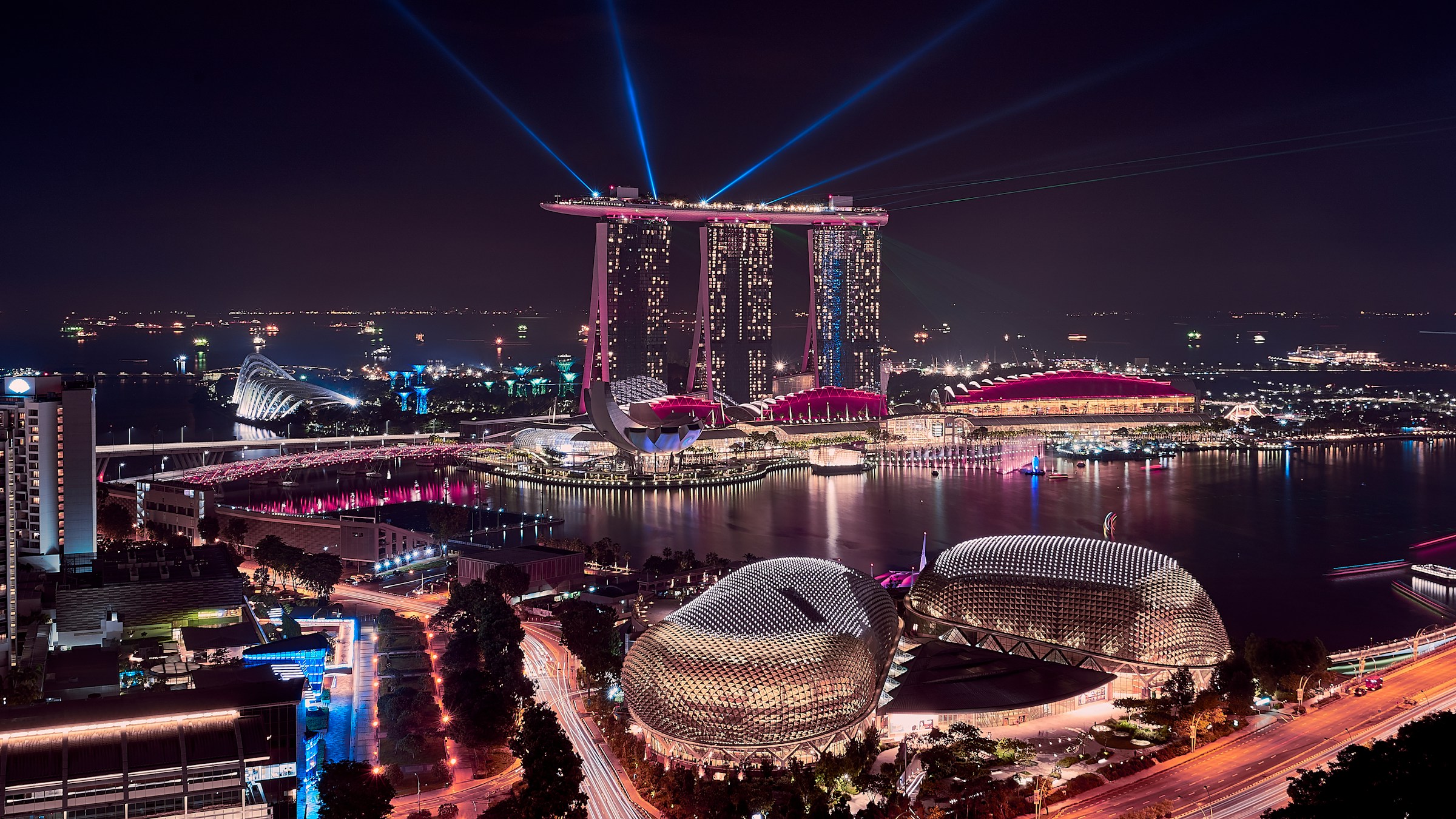
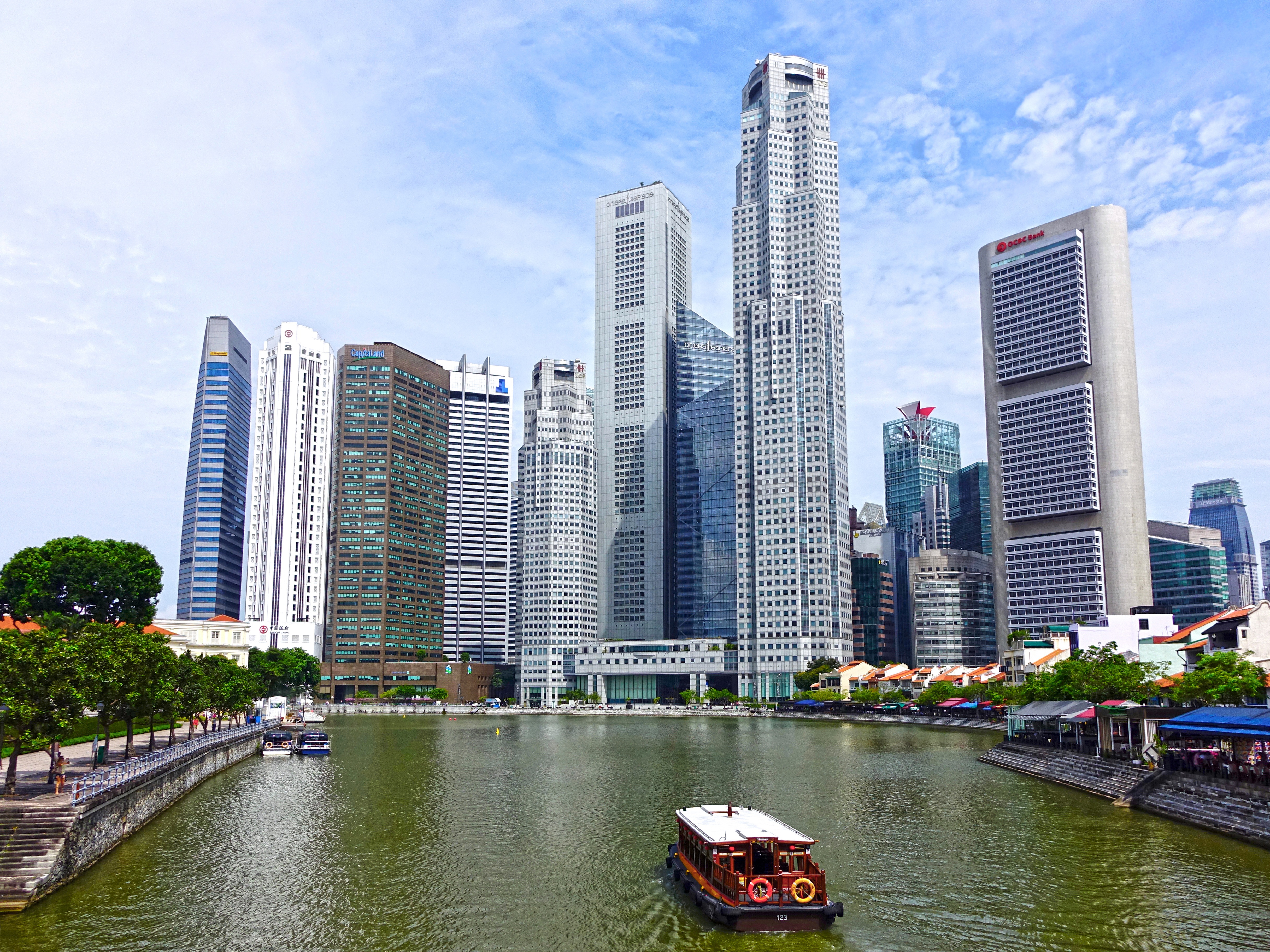
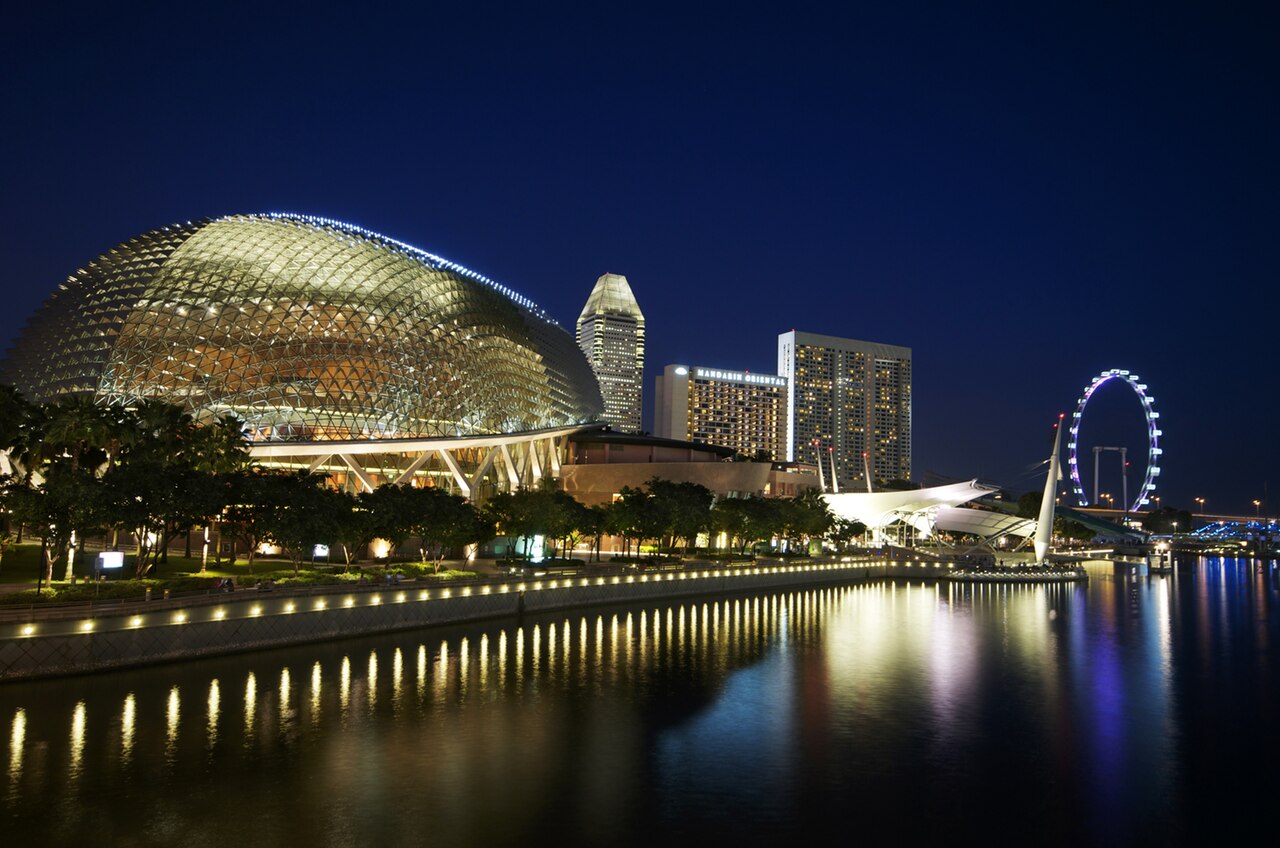
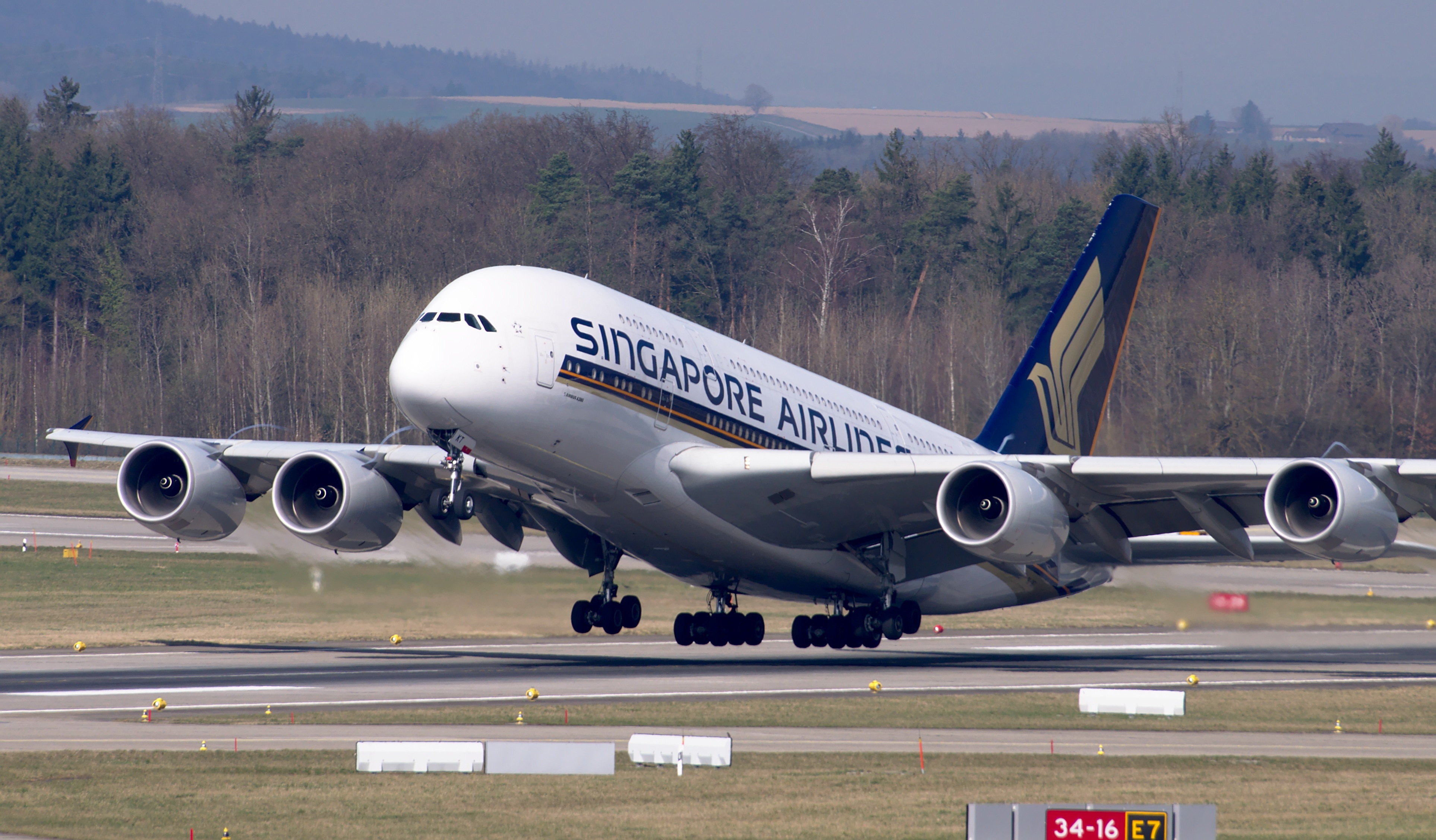
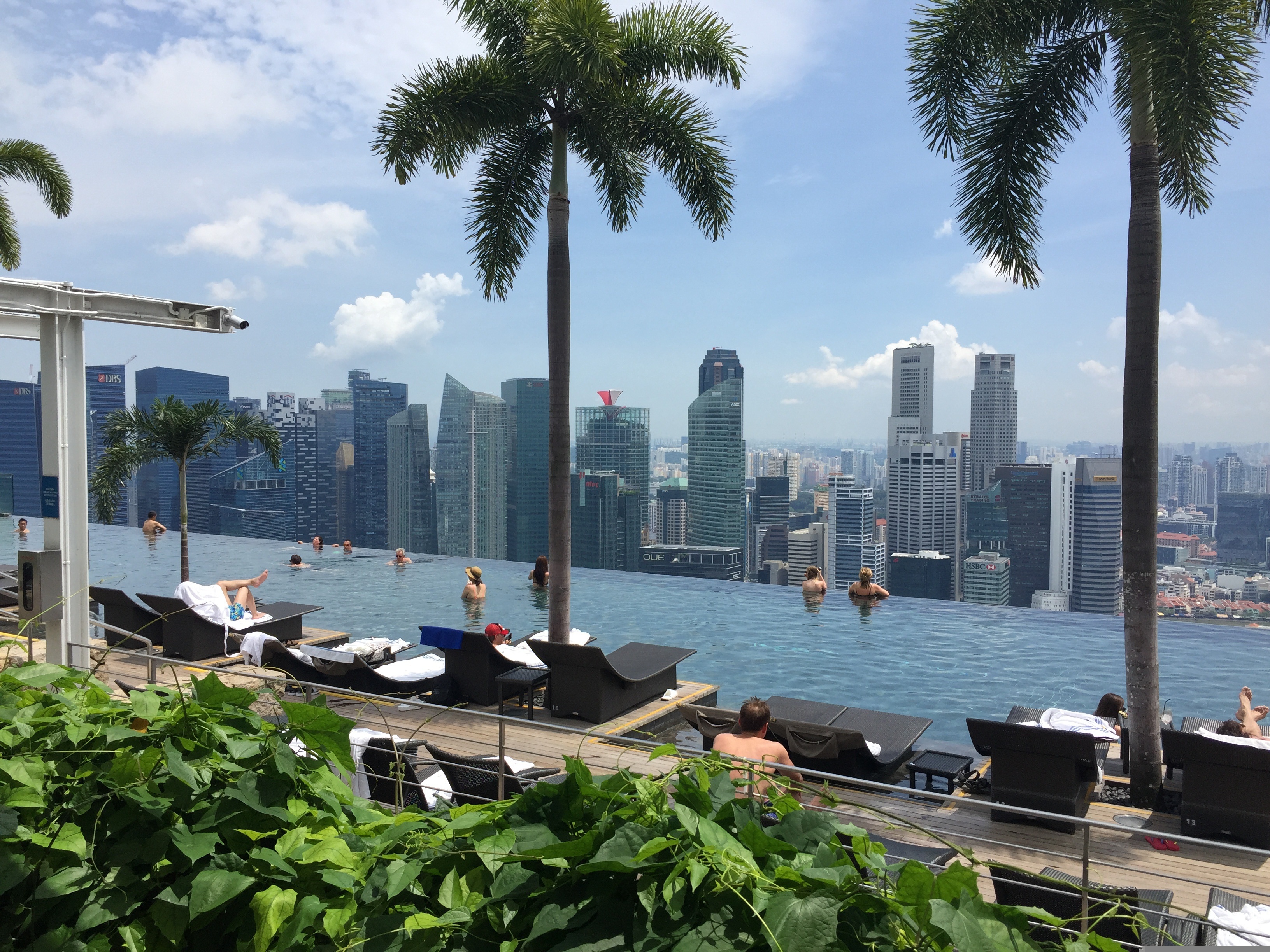
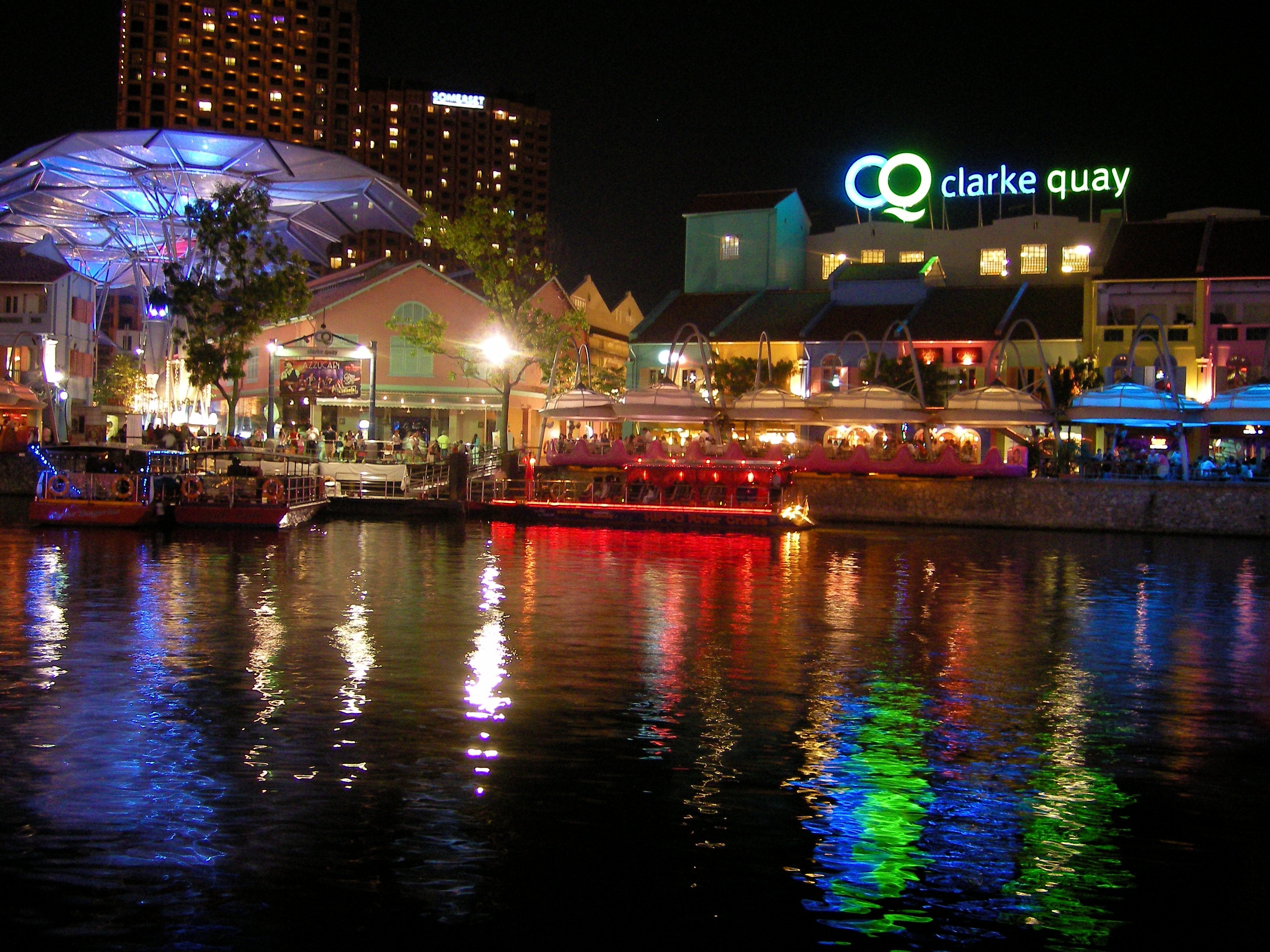
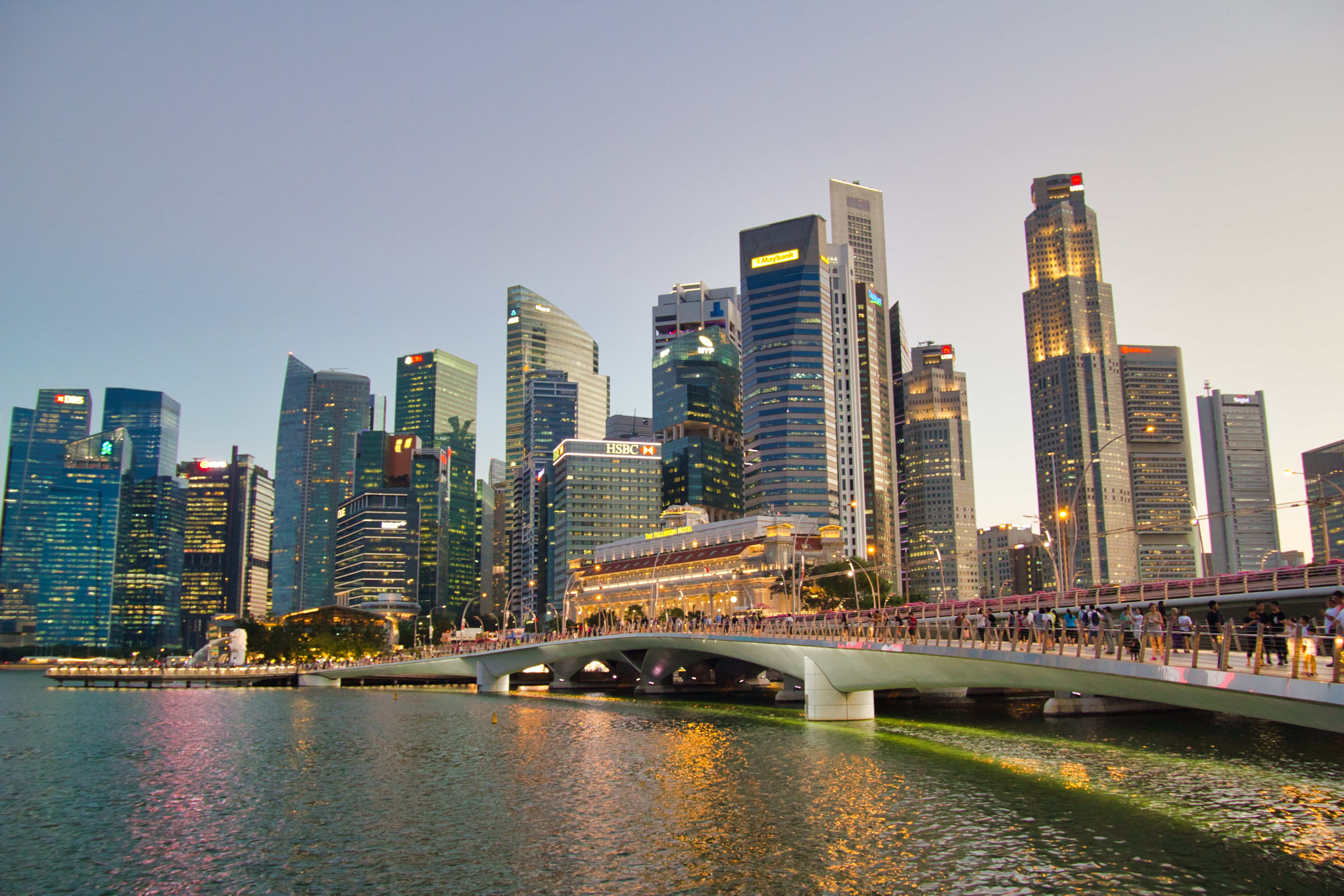
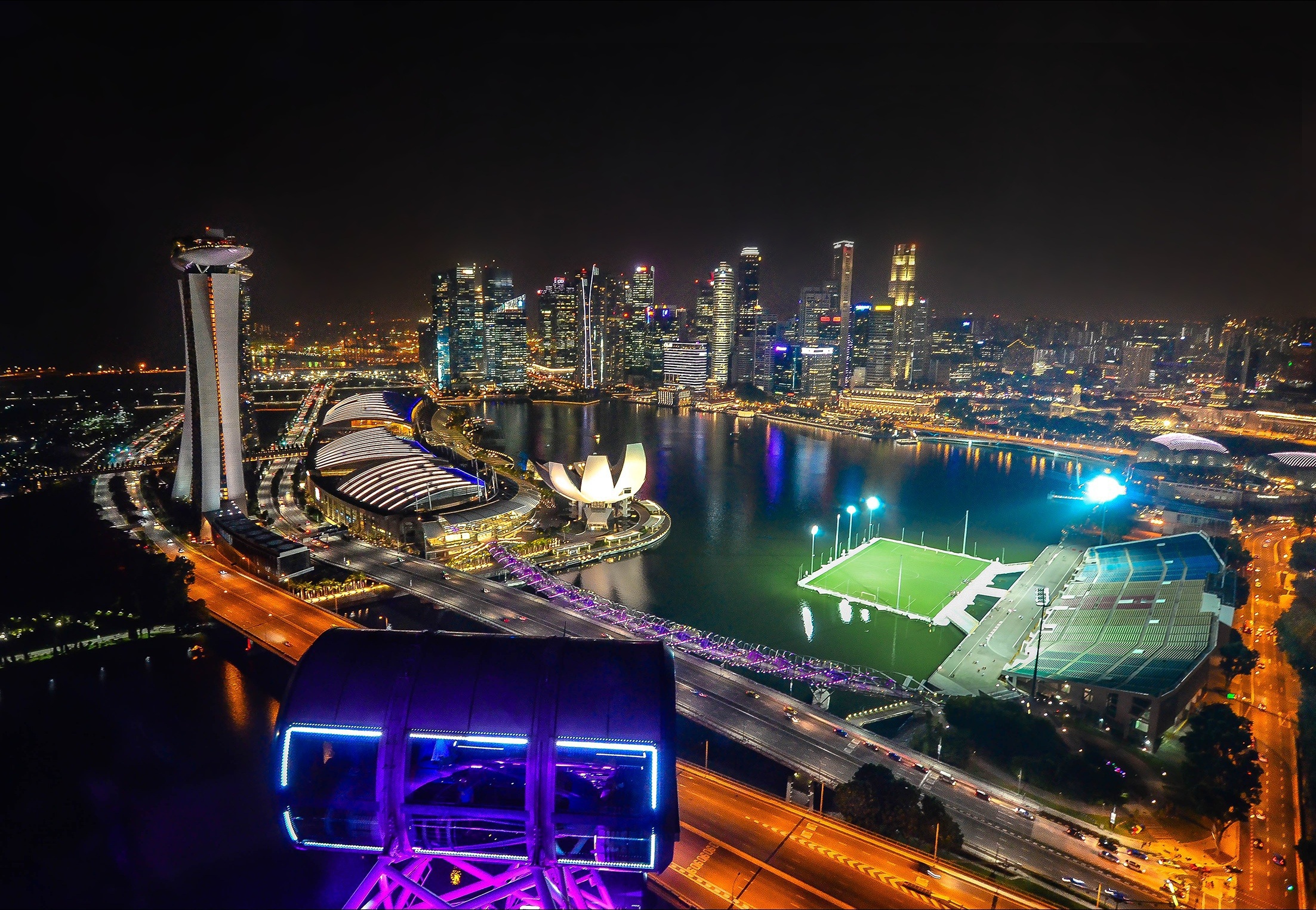
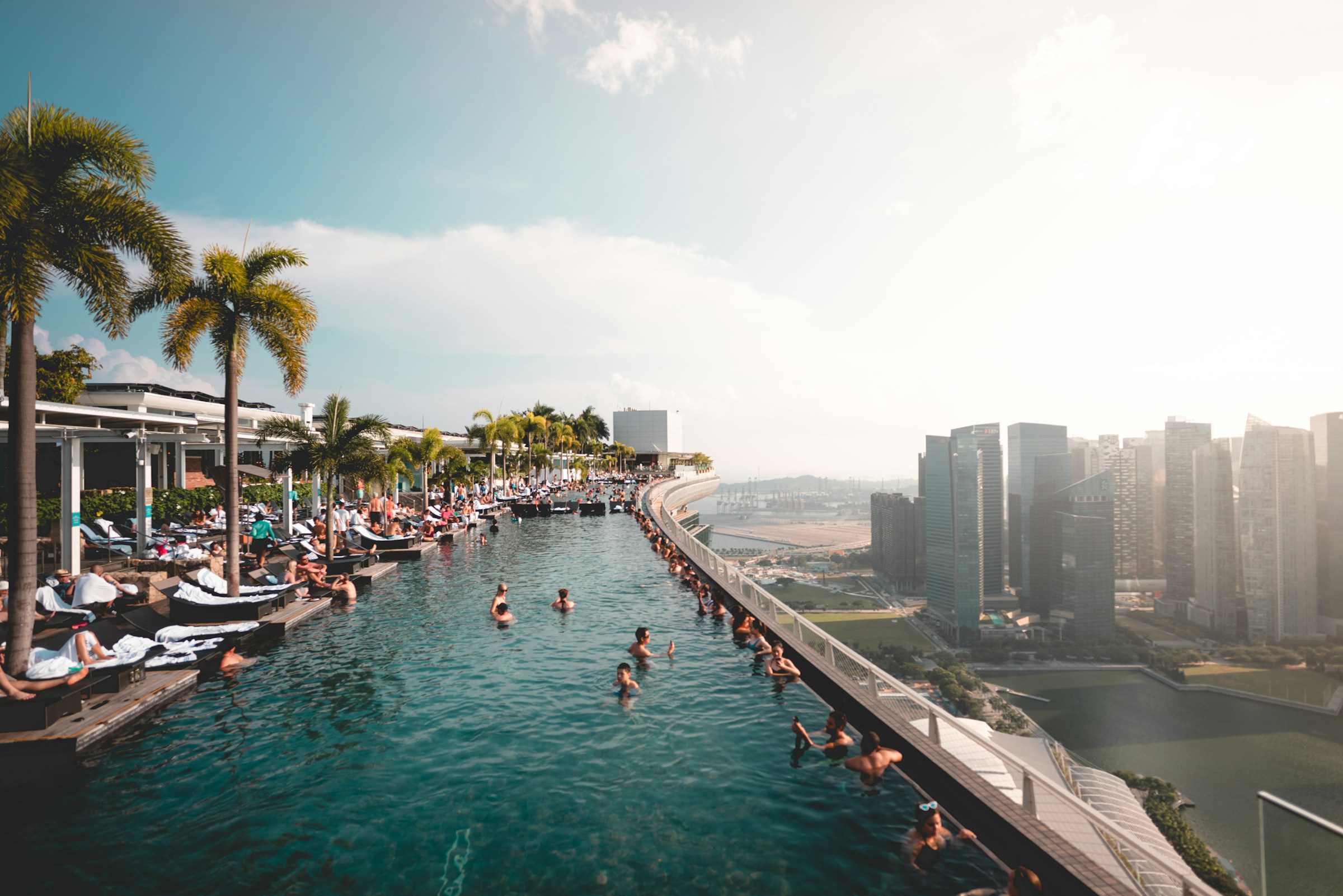
Today, Singapore is known for its world-class infrastructure, education, and healthcare systems. The skyline is dotted with futuristic skyscrapers and architectural marvels such as Marina Bay Sands, Gardens by the Bay, and the Esplanade – Theatres on the Bay. The efficient public transport system, disciplined traffic, and green spaces make it one of the cleanest and most livable cities globally. Singapore’s Changi Airport and its national airline, Singapore Airlines, are often ranked among the best in the world, symbolizing the country’s commitment to excellence.
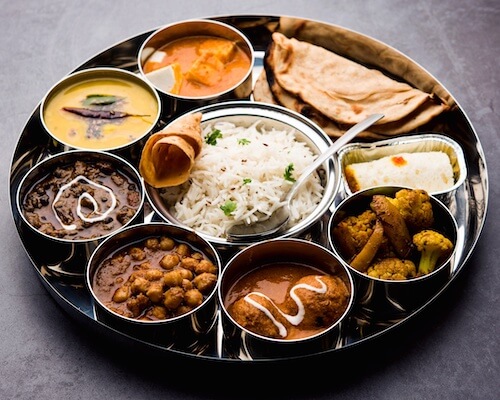
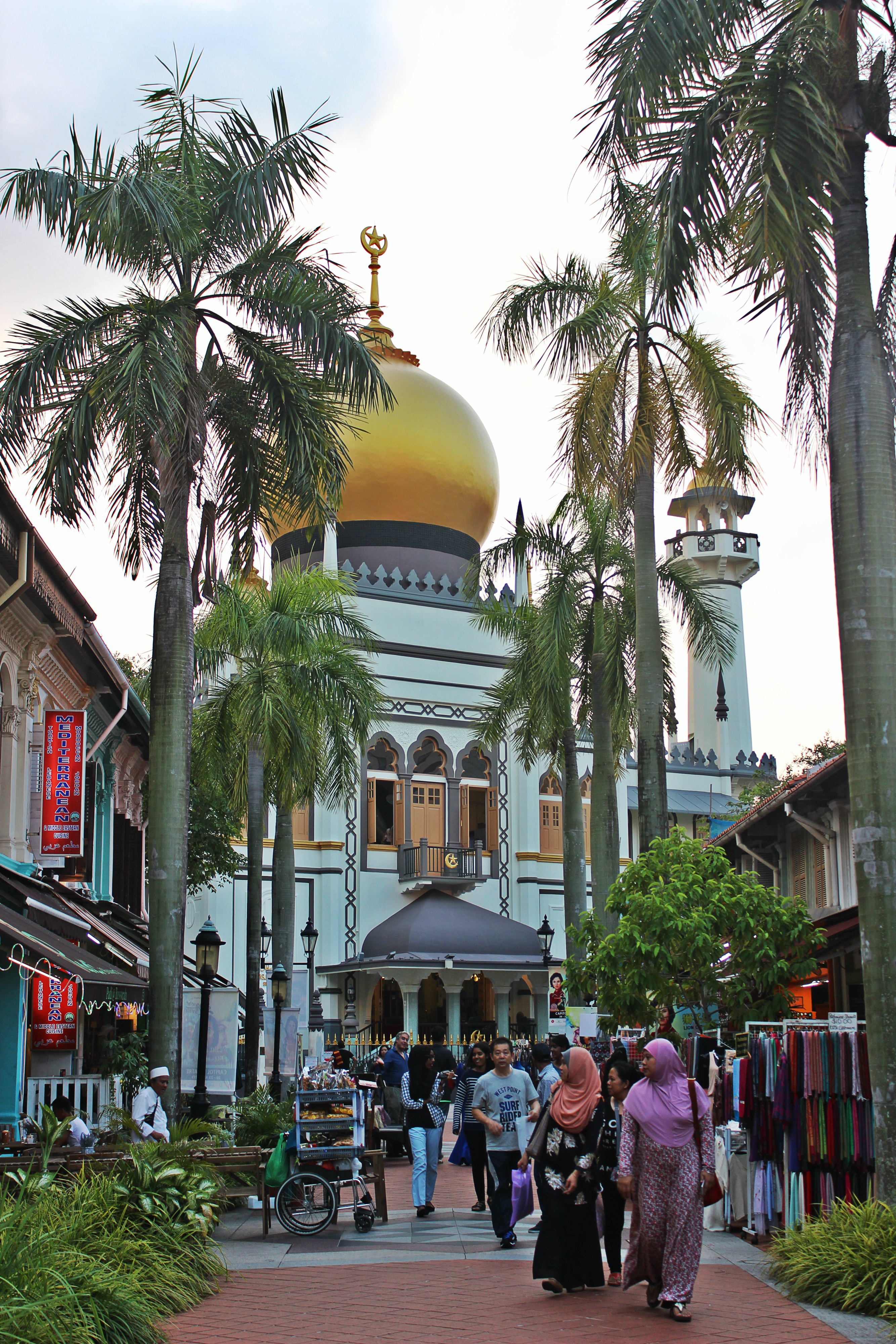
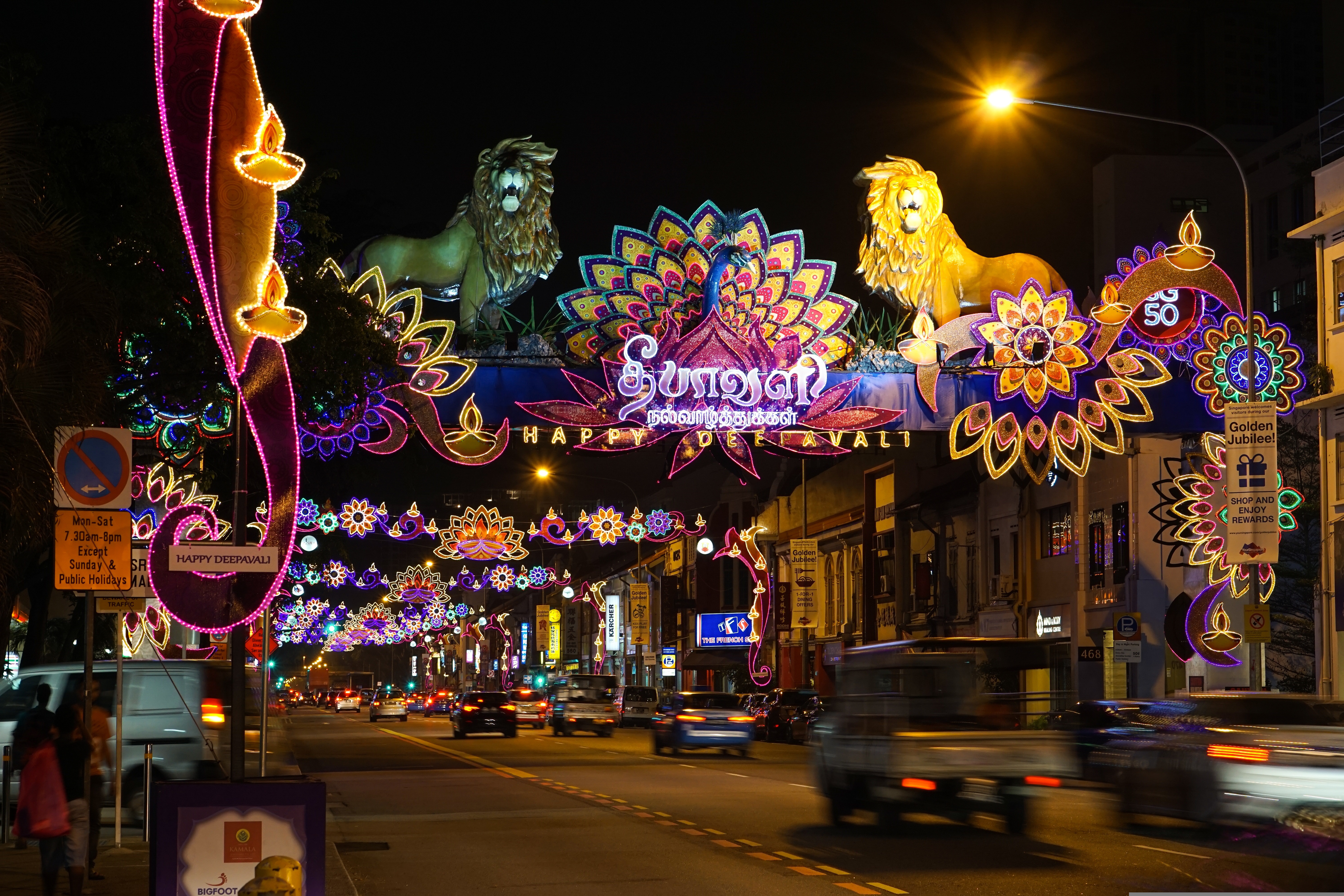
A key aspect of Singapore’s identity is its multicultural society. The population consists mainly of Chinese, Malay, Indian, and Eurasian communities, living together in harmony. This cultural diversity is reflected in the country’s festivals, languages, and cuisines. Major celebrations such as Chinese New Year, Deepavali, Hari Raya Puasa, and Christmas are observed with equal enthusiasm. The government’s policies promote racial harmony and mutual respect, fostering a peaceful coexistence that serves as a global example.
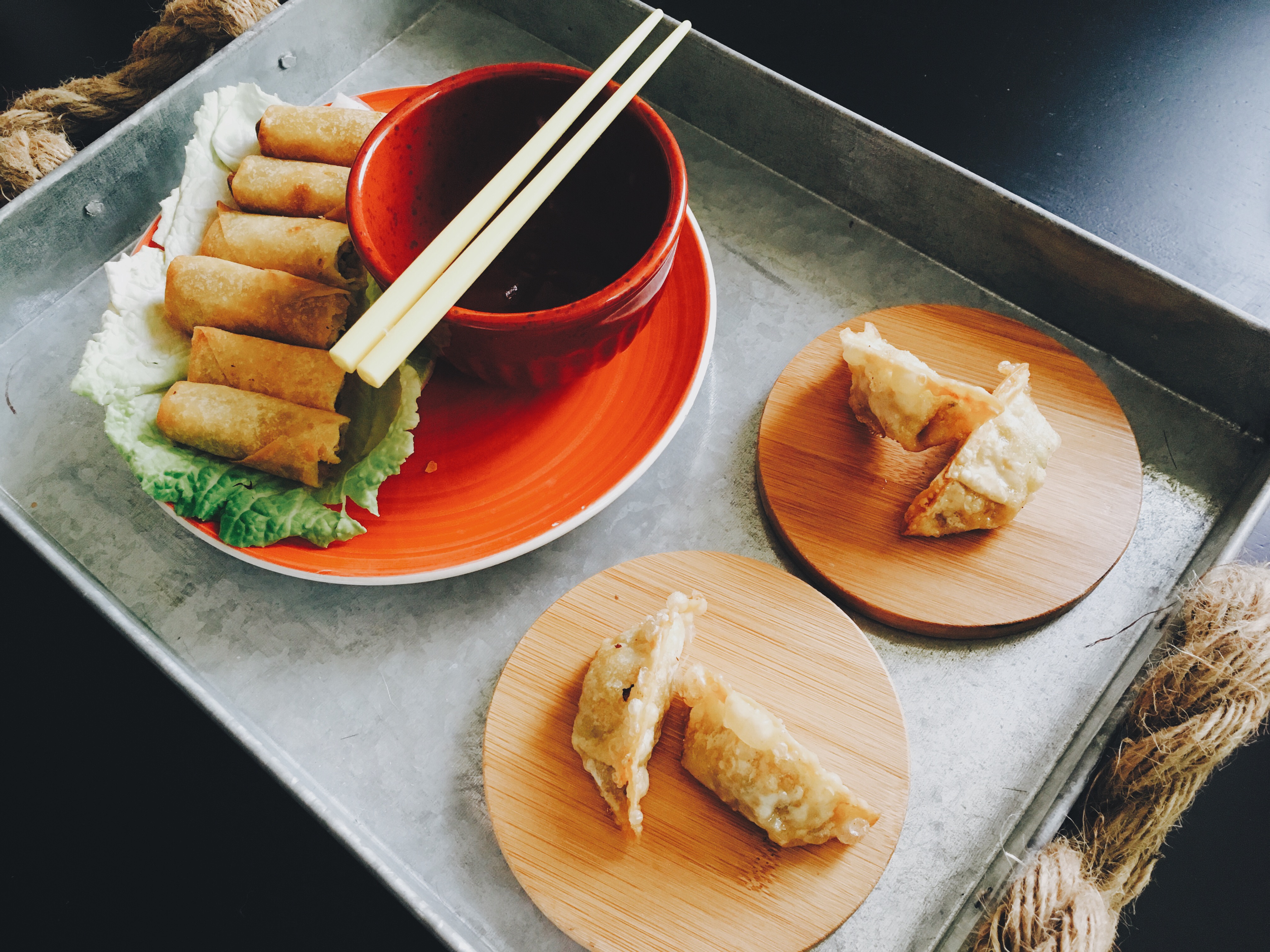
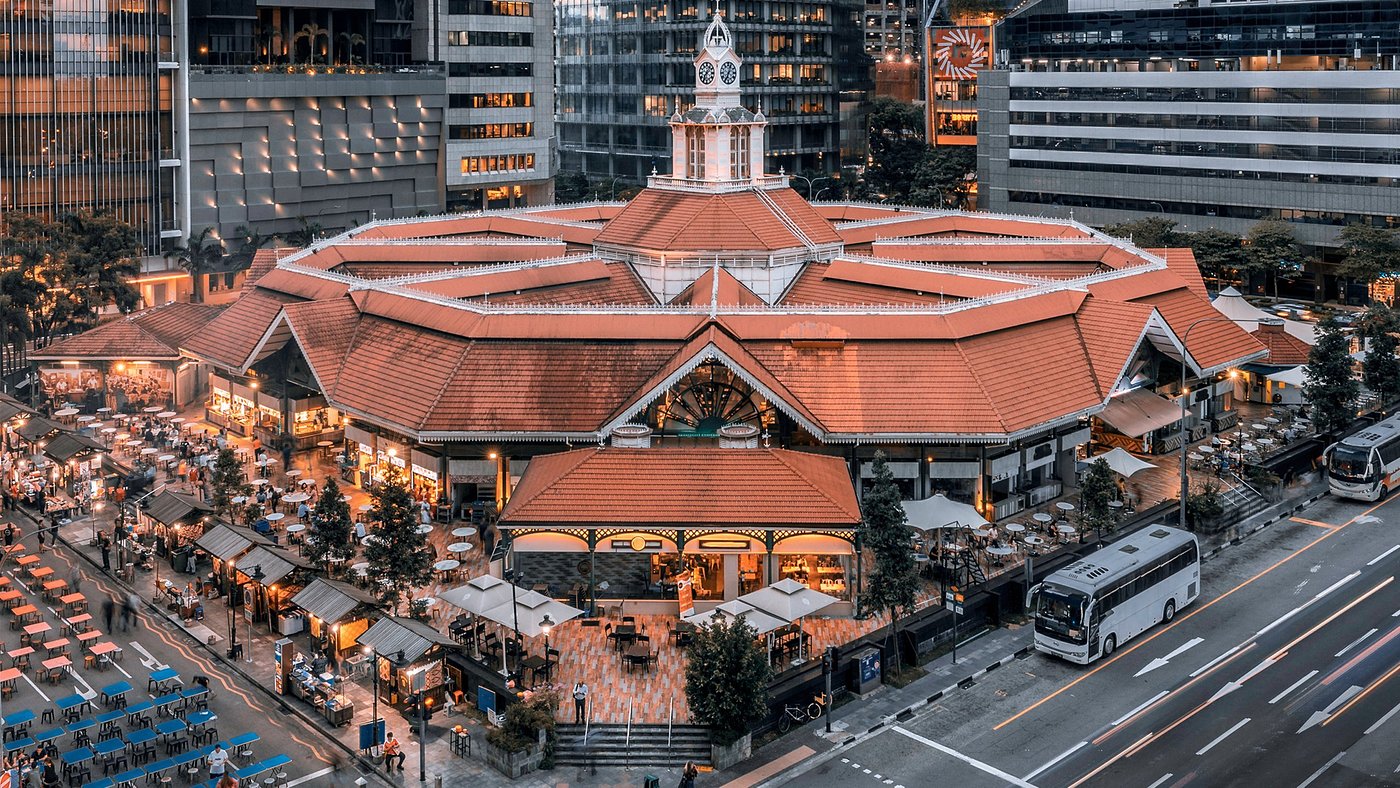
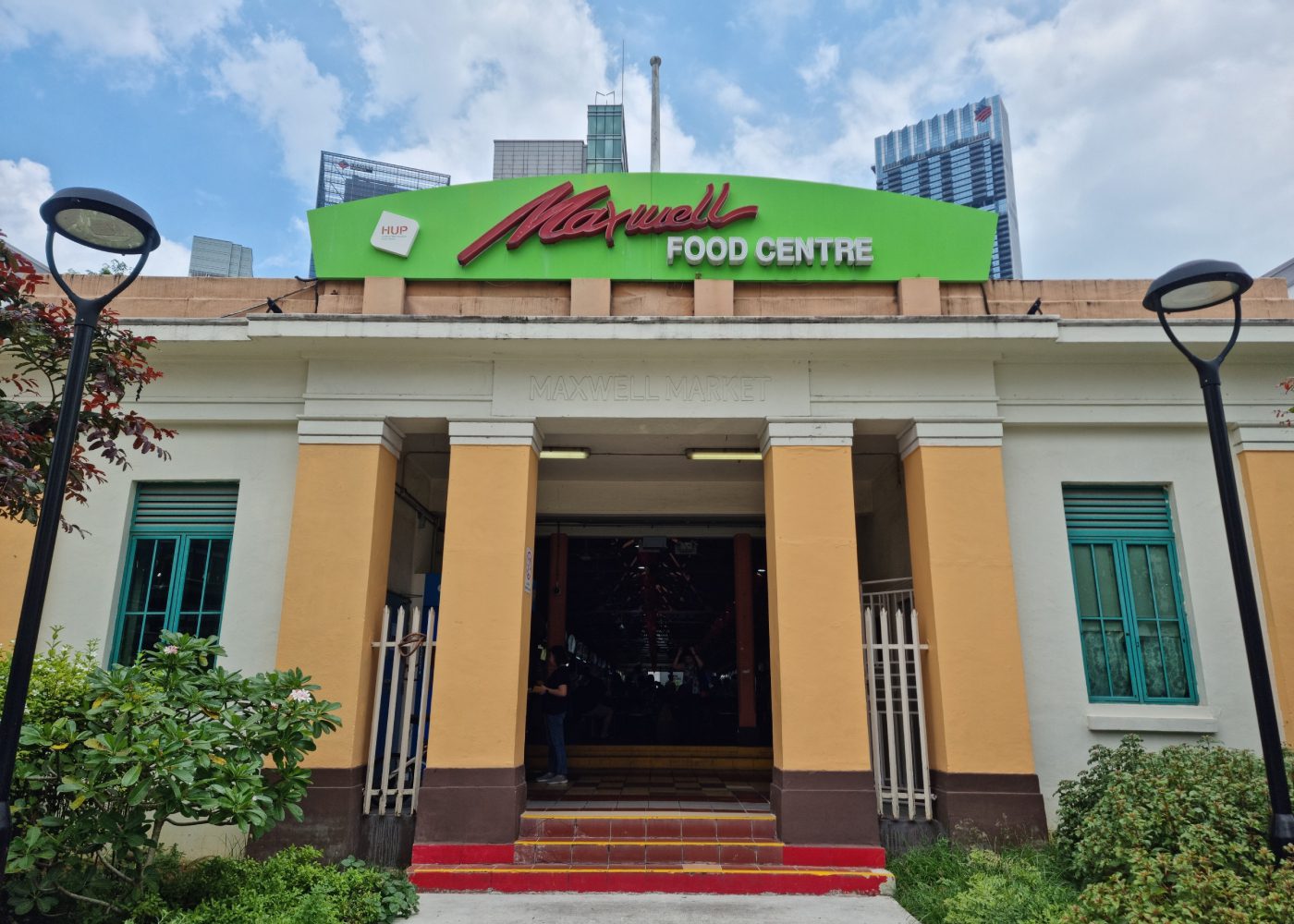
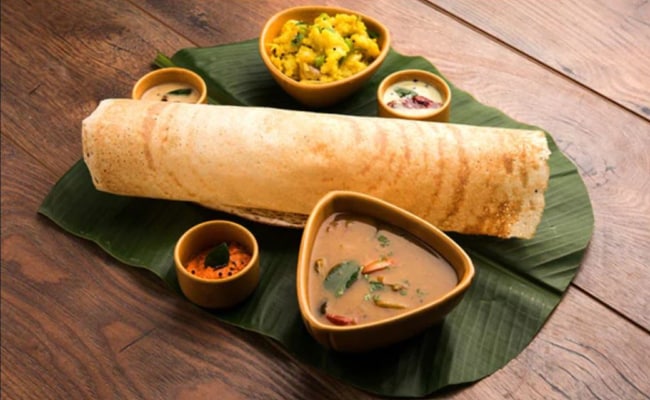
Singapore is also famous for its culinary scene, which is a fusion of flavors from different ethnic backgrounds. From hawker centers to fine dining, the variety of food is endless. Popular dishes such as Hainanese chicken rice, laksa, satay, chili crab, and roti prata reflect the multicultural influences that shape Singapore’s unique taste.
Economically, Singapore is a powerhouse. It has one of the busiest ports in the world and serves as a key center for finance, trade, and innovation. The country attracts global companies due to its stable government, skilled workforce, and business-friendly environment. In recent years, Singapore has also become a leading destination for technology, education, and research, reinforcing its position as a smart nation.
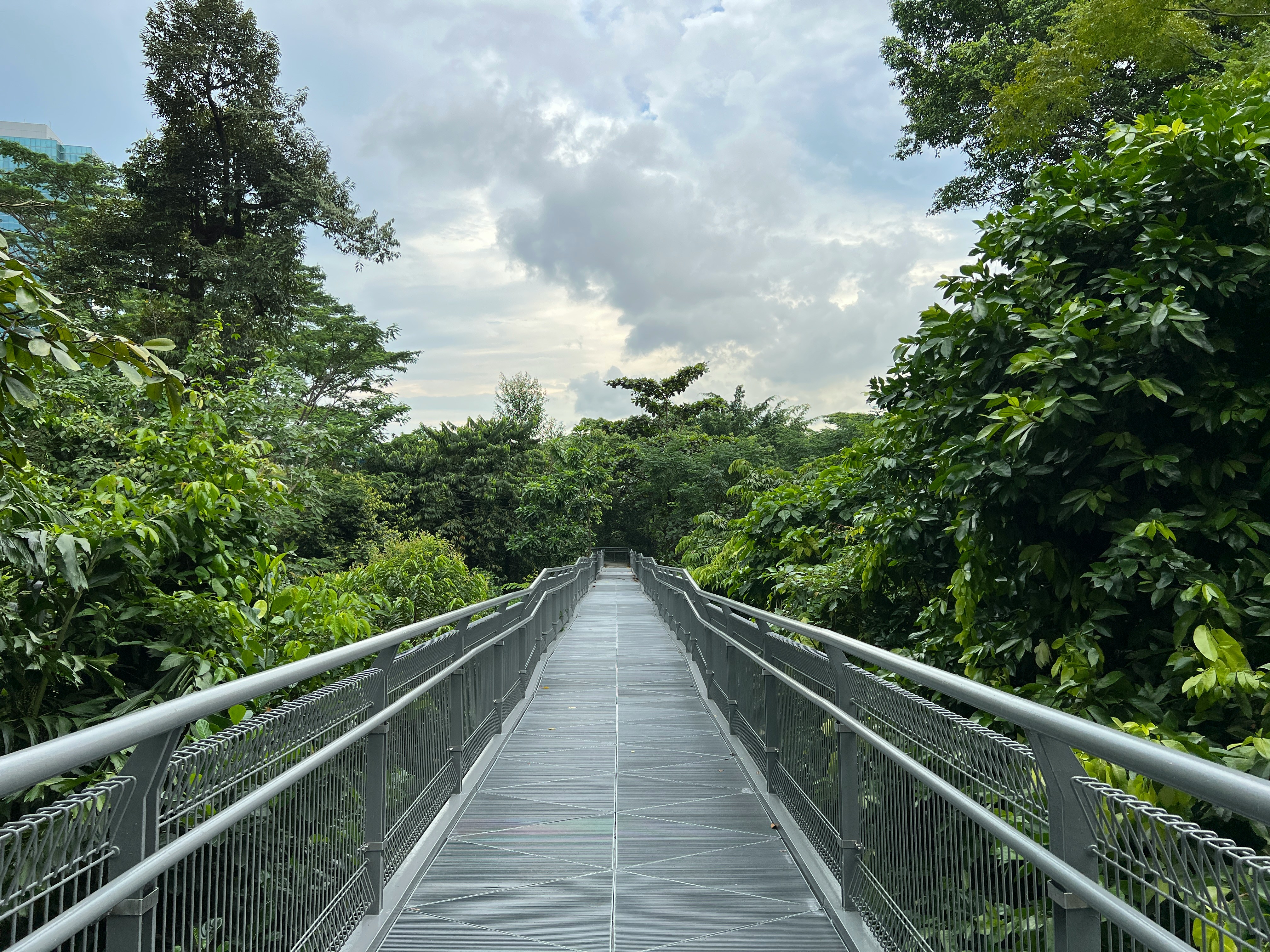
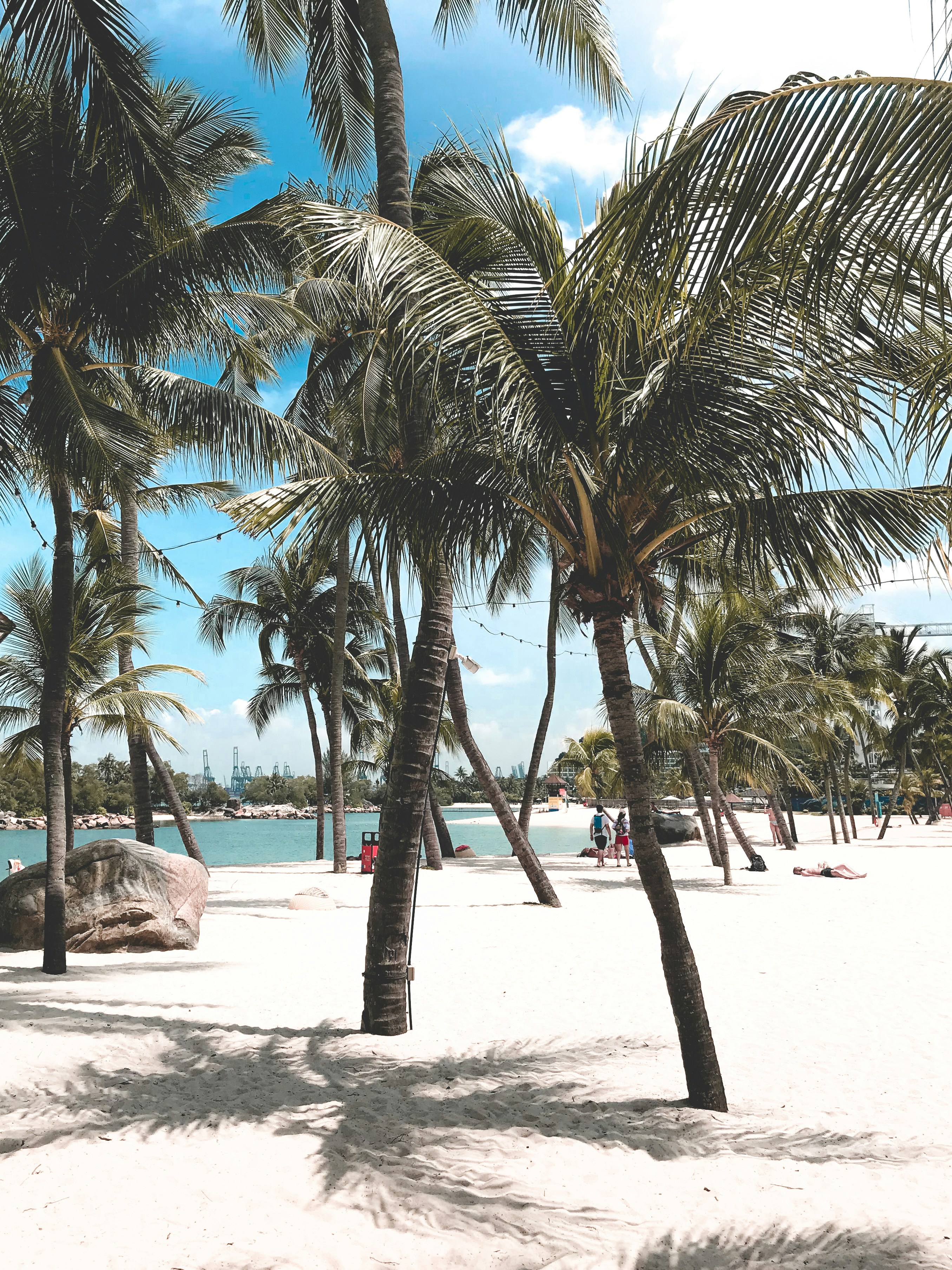
Despite rapid modernization, Singapore has managed to preserve its natural beauty and heritage. Greenery covers much of the city, earning it the nickname “City in a Garden.” Attractions like the Singapore Botanic Gardens, a UNESCO World Heritage Site, and Sentosa Island showcase the balance between urban life and nature.
In conclusion, Singapore is a shining example of what vision, unity, and determination can achieve. It stands as a symbol of progress and harmony, where tradition blends seamlessly with innovation. From its multicultural society to its futuristic skyline, Singapore truly embodies the spirit of a modern Asian success story.